
Understanding Multimodal References
Seedance 2.0's most powerful feature is its ability to understand and combine multiple types of input simultaneously. This multimodal approach allows you to guide the AI with unprecedented precision, ensuring your generated videos match your exact creative vision.
In this guide, we'll explore how to leverage image, video, and audio references to create professional-quality content with consistent characters, precise camera work, and creative effects.
Achieving Visual Consistency
Character & Object Consistency
One of the biggest challenges in AI video generation has been maintaining consistency across different shots. Seedance 2.0 solves this with its advanced reference system.
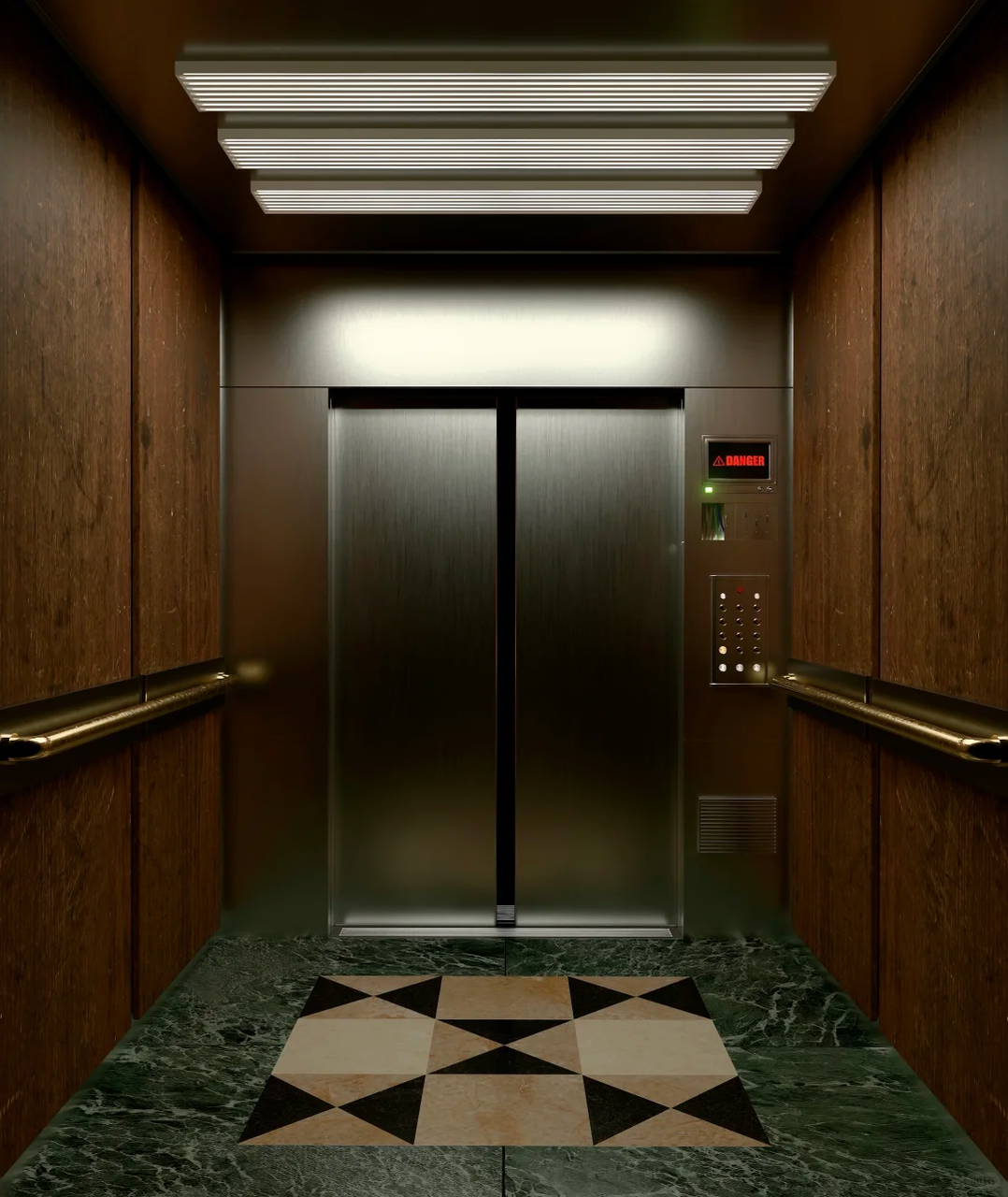
How it works:
- Upload Reference Images: Provide clear images of your character, product, or object
- Use @ References: Tag these images in your prompt
- Describe the Action: Tell the AI what you want to happen
Example Prompt:
@image1 shows a luxury handbag. Create a commercial shot
where the bag rotates slowly on a pedestal with dramatic
lighting. Maintain the exact color, texture, and design
details from @image1.
Facial & Clothing Consistency
For character-driven content, maintaining facial features and clothing across shots is crucial:
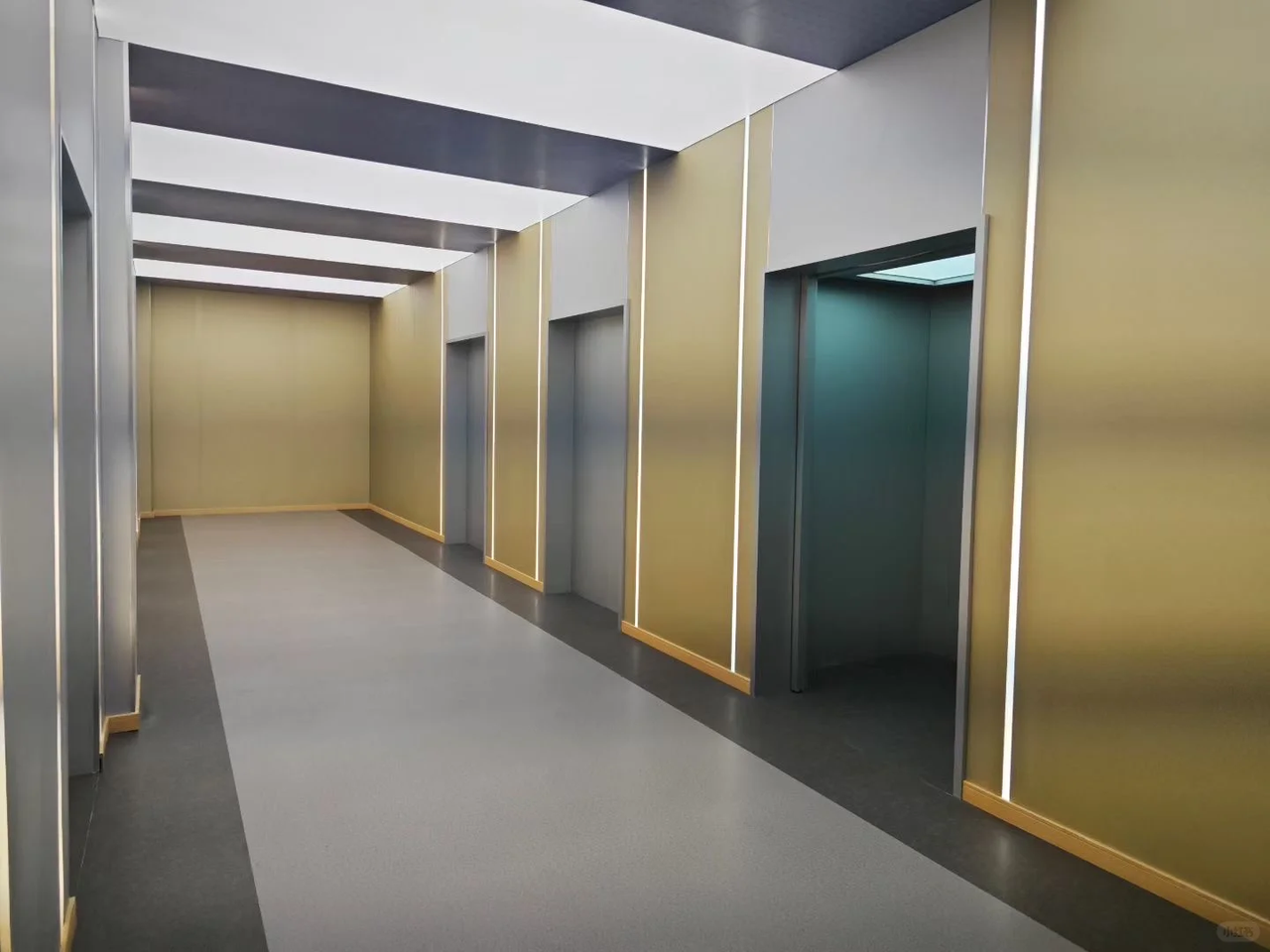
Best Practices:
- Use high-resolution reference images (at least 1024x1024)
- Provide multiple angles if possible
- Be specific about which elements to preserve
- Reference the same image across related generations
Example for Fashion Content:
@image1 shows a model wearing a red evening gown.
Create a runway walk sequence where the model moves
forward confidently. Preserve the exact dress design,
color, and the model's facial features from @image1.
Replicating Camera Movements
Understanding Camera Motion References
Seedance 2.0 can analyze reference videos to understand and replicate complex camera movements:
Supported Camera Movements:
- Push In/Pull Out: Dolly movements toward or away from subject
- Pan: Horizontal camera rotation
- Tilt: Vertical camera rotation
- Tracking Shots: Following a moving subject
- Orbit: Circular movement around a subject
- Crane Shots: Vertical movement combined with horizontal
Practical Camera Movement Examples

Example 1: Dramatic Product Reveal
@video1 shows a smooth push-in camera movement.
Apply this exact camera motion to @image1 (sports car).
Start wide showing the entire car, then slowly push in
to focus on the front grille. Cinematic lighting,
golden hour atmosphere.
Example 2: Dynamic Action Sequence
Reference the tracking camera movement from @video1.
Create a shot of @image1 (athlete running) with the
camera following alongside at the same speed.
Maintain focus on the athlete's face while the
background blurs with motion.
Advanced Camera Techniques

Combining Multiple References:
Use the camera orbit movement from @video1 and apply
it to the scene composition in @image1. The camera
should circle around the subject (ancient temple)
while maintaining the dramatic lighting and atmosphere
shown in @image1.
Creative Effects & Templates
Replicating Visual Effects
Seedance 2.0 can understand and recreate complex visual effects from reference videos:
Transition Effects:
- Morphing transformations
- Particle dissolves
- Glitch effects
- Light leaks and flares
Example Prompt:
@video1 shows a particle transformation effect.
Apply this same effect to transition from @image1
(person in casual clothes) to @image2 (same person
in formal attire). Maintain smooth, magical-looking
particle dispersion.
Style Transfer from References
Transfer artistic styles, color grading, and visual aesthetics:
Example for Music Video:
Match the vibrant neon color palette and high-contrast
lighting from @video1. Apply this visual style to
@image1 (band performing). Add similar lens flares
and motion blur effects.
Story Completion & Narrative Flow
Intelligent Scene Understanding
Seedance 2.0 can analyze your references and intelligently fill in narrative gaps:
Example Scenario:
@image1 shows a character looking worried at a door.
@image2 shows the same character smiling with relief.
Create a 10-second sequence that naturally transitions
between these two moments. The AI should determine
appropriate intermediate actions (opening door, seeing
something positive, reacting).
Multi-Shot Sequences
Build complex narratives by chaining references:
Shot 1: @image1 - Character discovers a mysterious box
Shot 2: Generate - Character opens the box (AI fills this)
Shot 3: @image2 - Character's amazed reaction
Shot 4: Generate - Glowing object emerges from box

Create a cohesive 15-second sequence connecting these
moments with smooth transitions and consistent lighting.
Audio-Driven Generation
Using Audio References
Audio can drive both motion and mood:
Music-Driven Content:
@audio1 contains an upbeat electronic track.
Generate a video of @image1 (dancer) moving in sync
with the beat. Match energy changes in the music with
corresponding movement intensity.
Voice-Driven Animation:
@audio1 is a voice recording saying "Hello, welcome!".
Animate @image1 (3D character) with lip-sync matching
this audio. Add natural head movements and facial
expressions that match the friendly tone.
Best Practices for Multimodal Creation
1. Reference Quality Matters
- Images: Use high-resolution, well-lit photos
- Videos: Ensure smooth playback, avoid compression artifacts
- Audio: Use clear recordings without background noise
2. Strategic Reference Combination
Effective Combinations:
- Image (subject) + Video (motion) + Audio (mood)
- Multiple images (different angles) + Text prompt (action)
- Video (style) + Image (content) + Text (specific details)
3. Prompt Structure
[Reference tags] + [Action description] + [Style/mood] + [Technical details]

Example:
@image1 @video1 shows a red sports car and smooth camera
movement. Create a cinematic commercial where the car
drives through a coastal highway at sunset. Use the
camera tracking motion from @video1. Warm color grading,
lens flares, 24fps cinematic feel.
4. Iteration Strategy
- Start Simple: Test with single references first
- Add Complexity: Gradually combine multiple modalities
- Refine Details: Adjust prompts based on results
- Save Successful Combinations: Document what works
Common Use Cases
E-commerce Product Videos
@image1 @image2 @image3 show product from front, side,
and back. Create a 360-degree rotation showcase with
studio lighting. Smooth, professional presentation.
Social Media Content
@video1 shows trending transition effect. Apply to
@image1 (before) and @image2 (after) for a makeover
reveal. Add upbeat music timing from @audio1.
Educational Content
@image1 is a diagram. Animate it to show the process
step-by-step, with smooth transitions between stages.
Add subtle zoom-ins to highlight key components.
Troubleshooting Common Issues
Issue: Inconsistent Character Appearance
Solution:
- Use multiple reference images from different angles
- Be explicit about which features to preserve
- Avoid conflicting style references
Issue: Camera Movement Too Fast/Slow
Solution:
- Specify duration explicitly (e.g., "slow 3-second push-in")
- Reference specific timestamps from video references
- Use descriptive terms (gentle, dramatic, rapid)
Issue: Style Mismatch
Solution:
- Ensure all references share compatible visual styles
- Use style-specific keywords (cinematic, cartoon, realistic)
- Separate content references from style references clearly
Conclusion
Mastering multimodal references in Seedance 2.0 unlocks limitless creative possibilities. By strategically combining images, videos, and audio, you can achieve professional results that maintain consistency, replicate complex camera work, and bring your unique vision to life.
The key is experimentation—try different combinations, learn what works for your specific needs, and build a library of successful reference strategies.
Ready to create with multimodal references? Start experimenting on SeedanceVideo.xyz today. Upload your references, craft your prompts, and watch as Seedance 2.0 brings your vision to life with unprecedented accuracy.
Join our community of creators pushing the boundaries of AI video generation.
